
Our Approach

Building Sustainable Agri-Processing Systems, Not Short-Lived Experiments

Project Sampada has been deliberately designed as a phased and conservative initiative.
This approach is not driven by caution alone, but by experience, realism, and responsibility—especially when working in agriculture, livelihoods, and public-interest funding.

Our objective is not rapid scale, but durable systems.
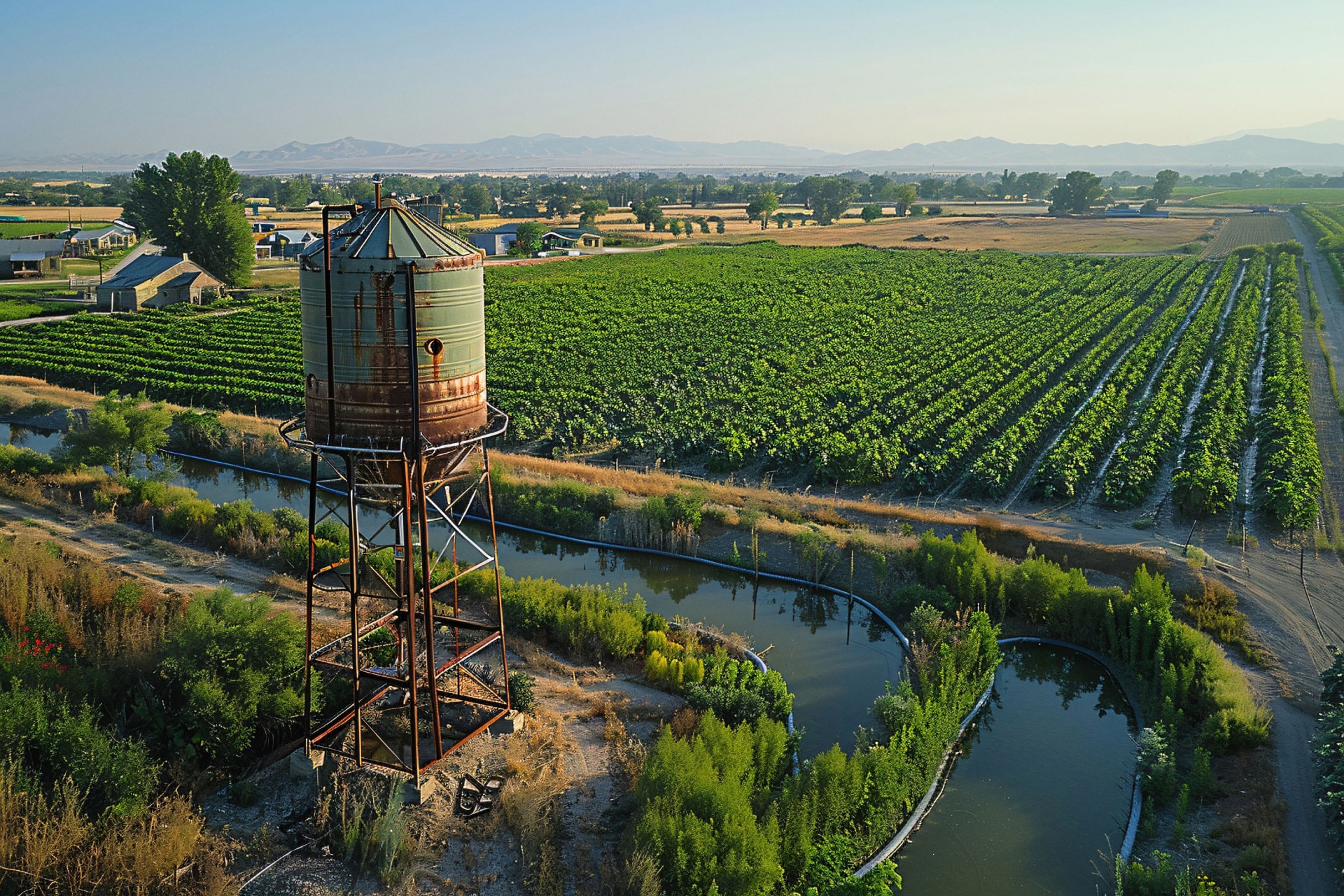
LEARNING FROM PAST FAILURES

Across India, many agri-processing initiatives have failed due to:
Project Sampada consciously avoids these pitfalls by testing assumptions on the ground before scaling.

2. PHASE-WISE EXECUTION STRATEGY

Project Sampada is structured in clearly defined phases, each with its own goals, risks, and validation criteria.

STEP Phase (Pilot Phase)

Only after the STEP Phase demonstrates technical, financial, and operational viability will the project move to expansion.

3. CONSERVATIVE CAPITAL DEPLOYMENT

Instead of large capital infusion upfront:
This lowers entry barriers and improves operational efficiency.

4. OPERATOR-FIRST, OWNERSHIP-LATER MODEL

Project Sampada recognises that:
Therefore:
This reduces early failure and builds genuine entrepreneurial capacity.

5. MARKET-LINKED PRODUCTION, NOT HOPE-BASED PRODUCTION

Production under Project Sampada is guided by:
This lowers entry barriers and improves operational efficiency.

6. STRONG GOVERNANCE AND OVERSIGHT

A phased model allows:
JJJKAS maintains:

7. SCALABILITY BUILT ON PROOF, NOT PROMISES

Scaling is not assumed—it is earned. Expansion decisions will be based on:

RESPECT FOR STAKEHOLDER TRUST

Most importantly, Project Sampada recognises that:
are not risk capital. A phased and conservative model is the most ethical way to honour the trust placed by:

In Summary

Project Sampada chooses depth over speed, stability over scale, and proof over projection.

By proceeding phase-wise and conservatively, we aim to build an agri-processing ecosystem in Bihar that is:
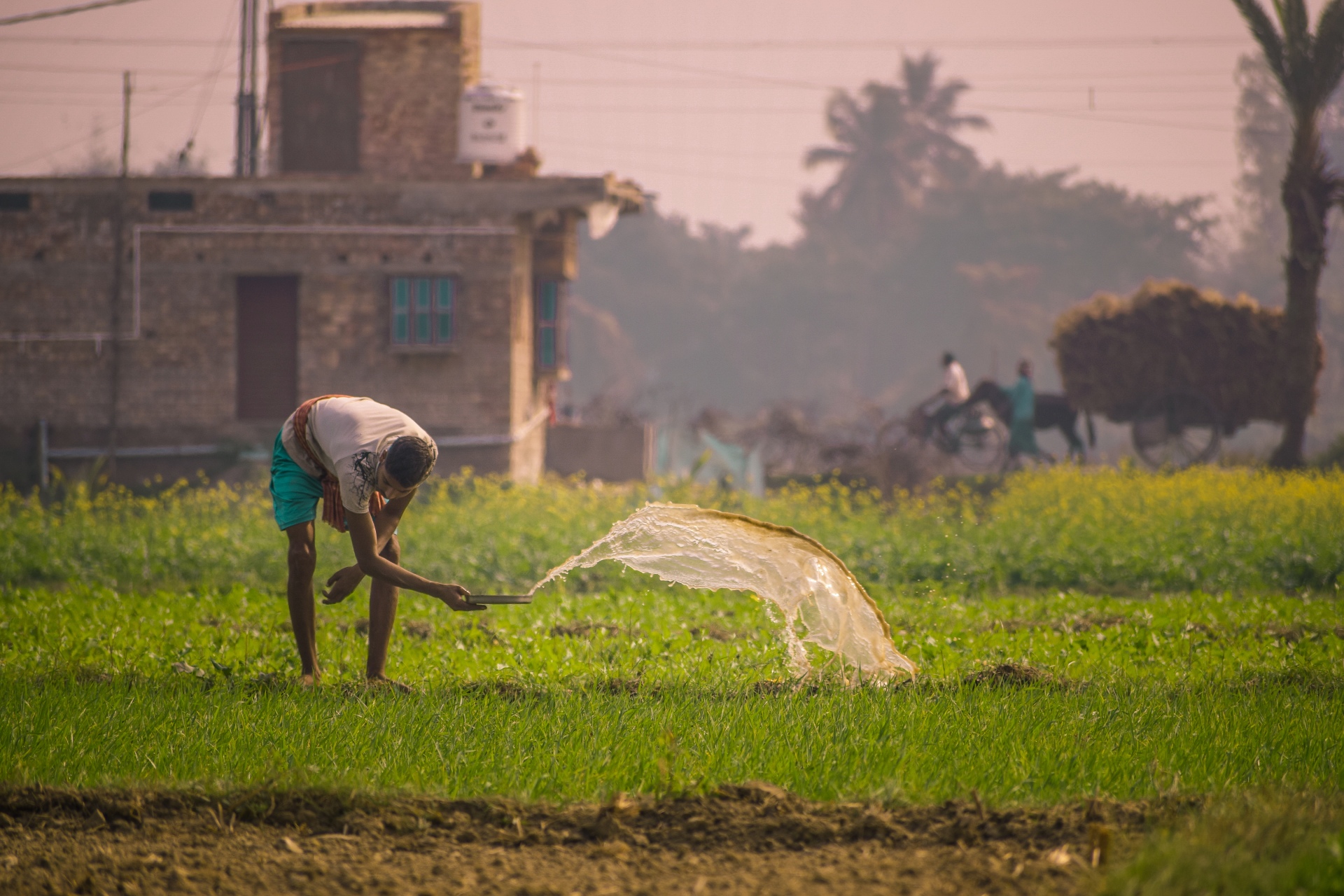
This is how lasting transformation is built.